

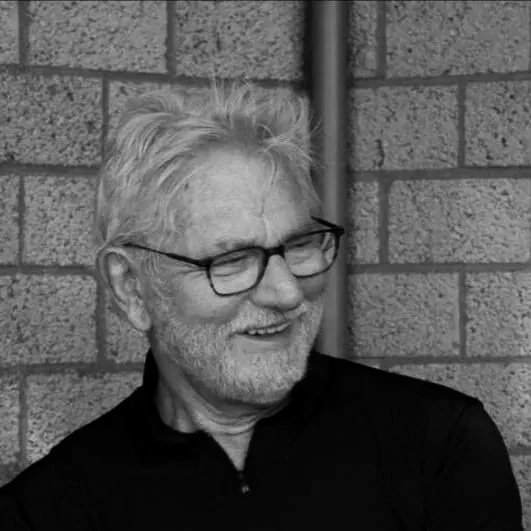
Dr Frans Vera
Co-Founder | Scientific Advisor
Dr Vera studied biology at the University of Groningen and completed his PhD focused on ecological dynamics. Early in his career, he highlighted the ecological significance of the Oostvaardersplassen, advocating for its long-term protection and helping establish it as one of Europe’s most important nature reserves.
A defining contribution of his work is the development of the wood-pasture hypothesis, which proposes that much of historic Europe was not dominated solely by dense, closed-canopy forest, but instead shaped by a mosaic of grasslands, scrub, and open woodland maintained by natural grazing. In this view, prehistoric herbivores such as the aurochs and tarpan played a key role in preventing forest encroachment and supporting diverse habitats.
Dr Vera helped translate these ideas into real-world restoration models. At the Oostvaardersplassen, he supported and implemented rewilding strategies that reintroduced large herbivores to create more dynamic ecological processes. This approach contributed to changes in habitat structure and biodiversity, attracting and supporting many species associated with open and semi-open environments.
He also led work connected to the Stork Plan, which focused on restoring natural river dynamics and improving biodiversity through landscape-scale processes, including more natural flood regimes and ecological connectivity.
Through decades of research, writing, and public engagement, Dr Frans Vera has influenced scientists, practitioners, policymakers, and the broader public. His work continues to inspire a new generation of conservationists committed to rewilding, restoring biodiversity, and rebuilding resilient ecosystems across Europe and beyond.